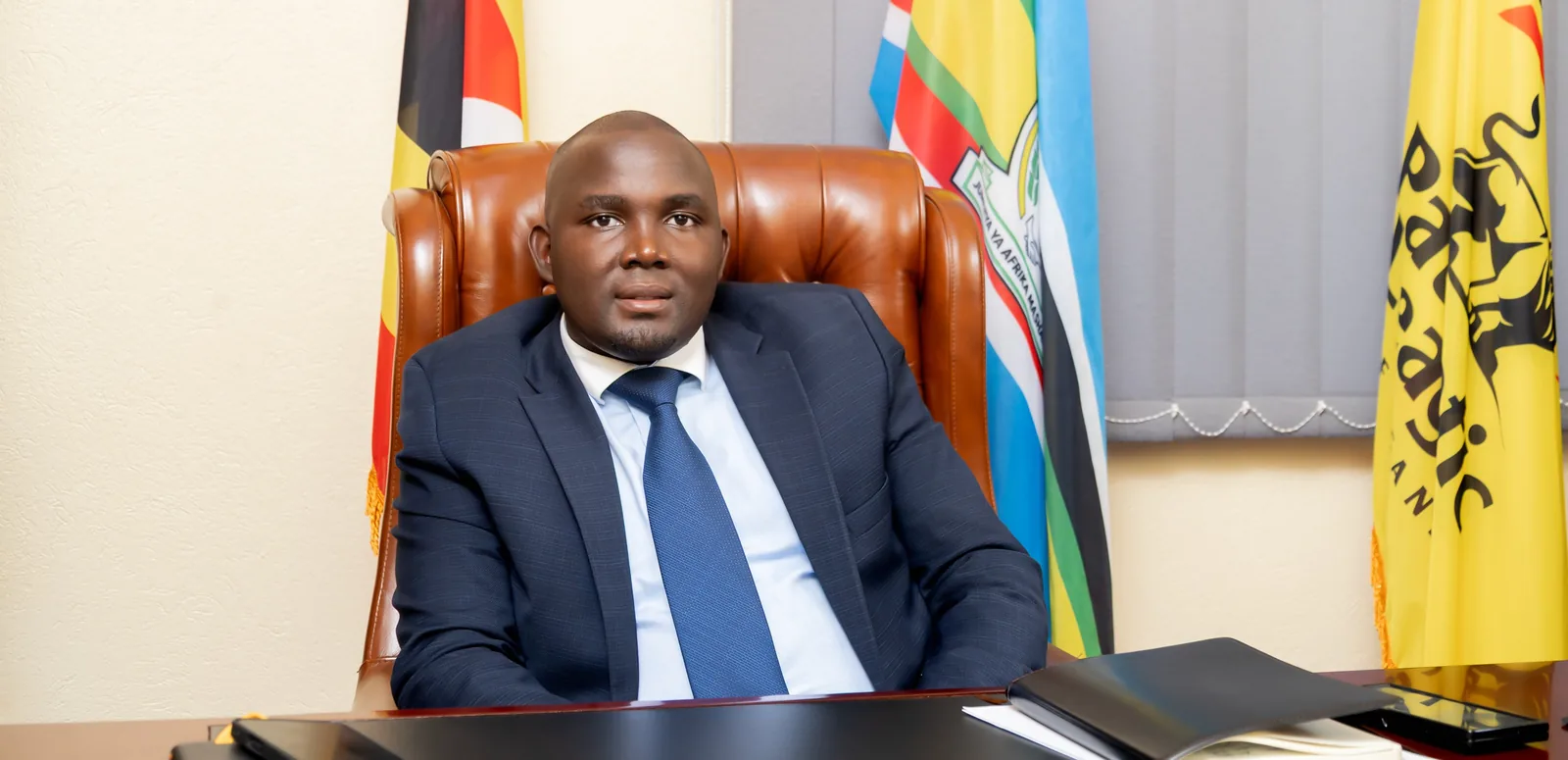
When Rt. Hon. Twalla Fadil took over as General Secretary of the Patriotic League of Uganda in June, the assignment was broader than running the Secretariat. The task was to tighten an organisation that was expanding quickly, reconnect the national leadership with structures on the ground and give that growth a system capable of supporting it.
One hundred days later, much of that work can be seen not in a single event, but in the way PLU now operates , from district coordination and national mobilisation to endorsements, membership management and the organisation’s growing digital infrastructure.
Fadil came into office after serving as PLU coordinator for the Sebei Sub-Region. His appointment placed him at the centre of an organisation whose footprint was already widening across the country, but which also needed stronger internal coordination as more leaders, mobilisers and grassroots structures came on board.
Putting order behind the growth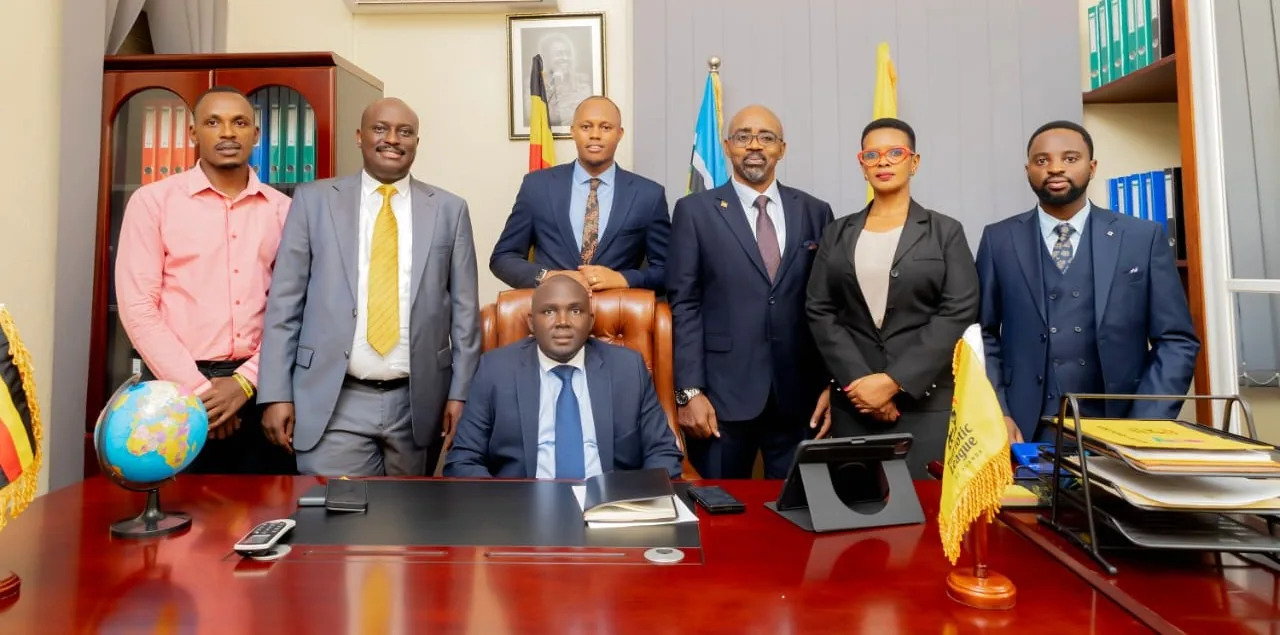
One of the first issues addressed under the new Secretariat was organisational discipline. Fadil publicly cautioned against individuals impersonating PLU officials, using the organisation’s name for personal gain, engaging in extortion or criminal activity, and presenting themselves in military or paramilitary attire in the course of PLU activities.
The message was straightforward: rapid growth could not come at the expense of accountability.That same concern extended to the relationship between national, regional and district structures. As the organisation expanded, the Secretariat increasingly emphasised working through recognised structures rather than allowing parallel teams to weaken coordination on the ground.The objective was not simply to have PLU represented across the country, but to ensure those structures could communicate and work together.
Taking the Secretariat back to the districts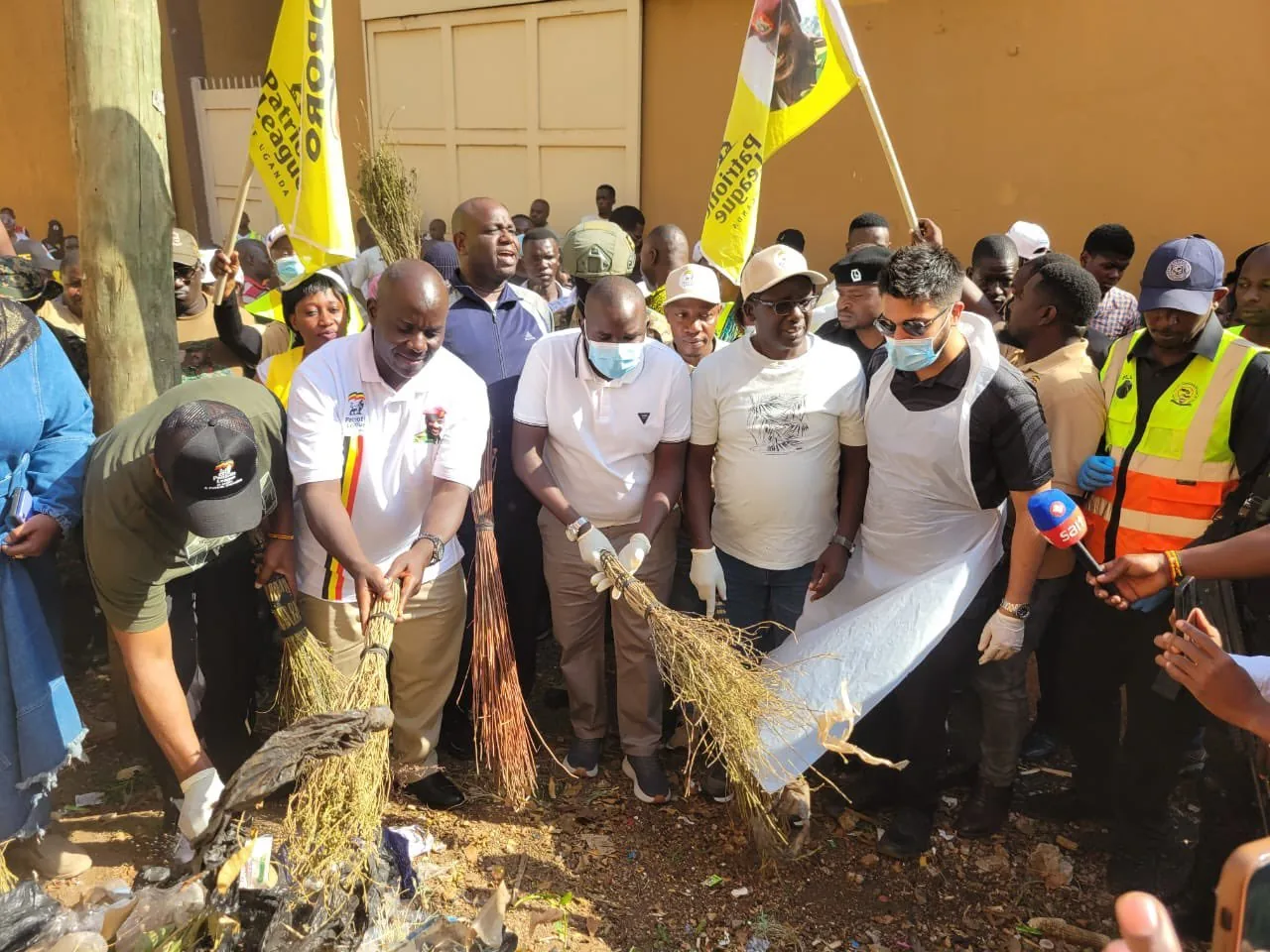
The first months also saw the national Secretariat spend considerable time outside Naguru.
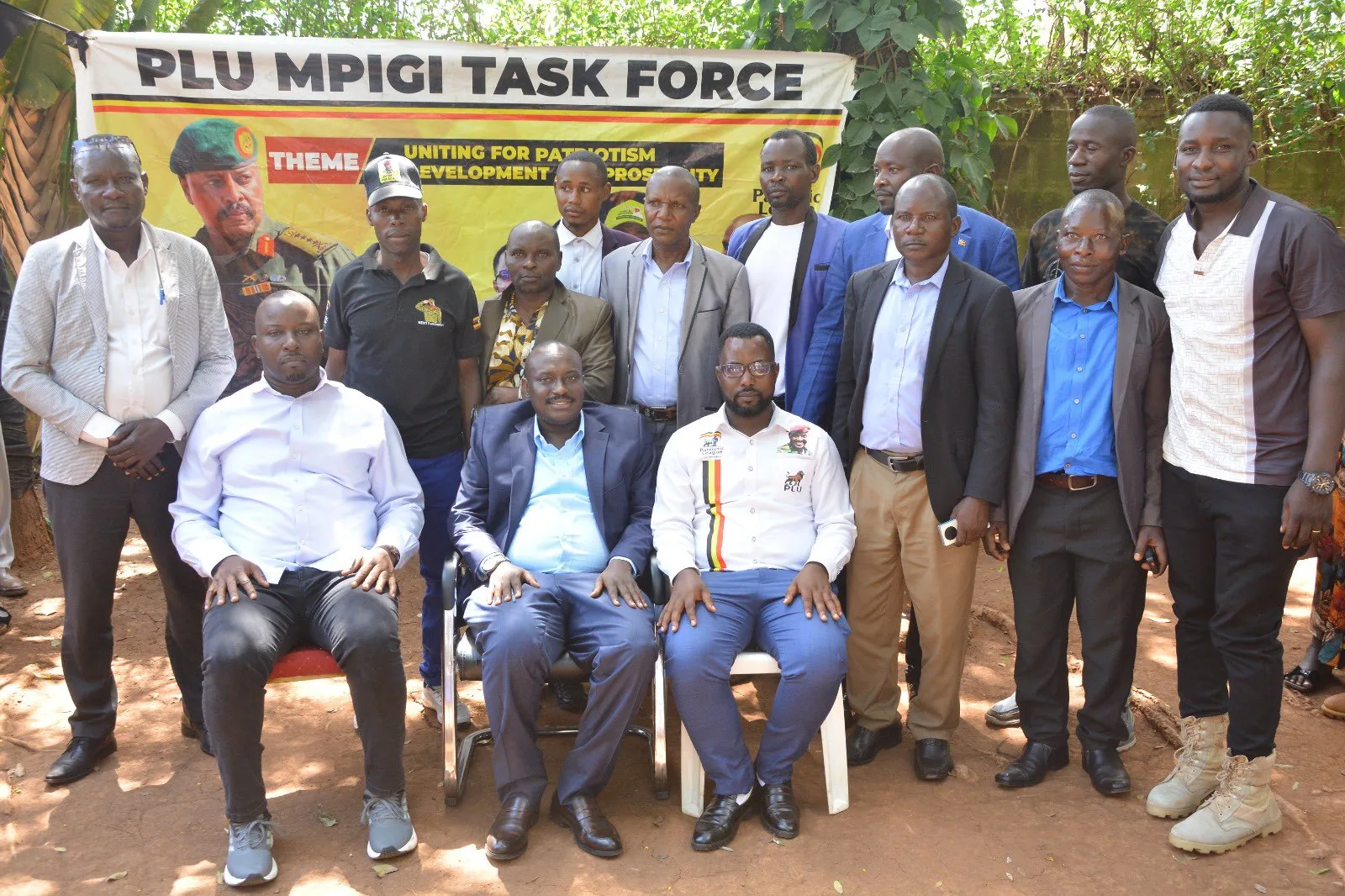
In August, Fadil met PLU and NRM leaders and mobilisers from Adjumani, where discussions centred on grassroots organisation, coordination and the connection between district structures and the national leadership.
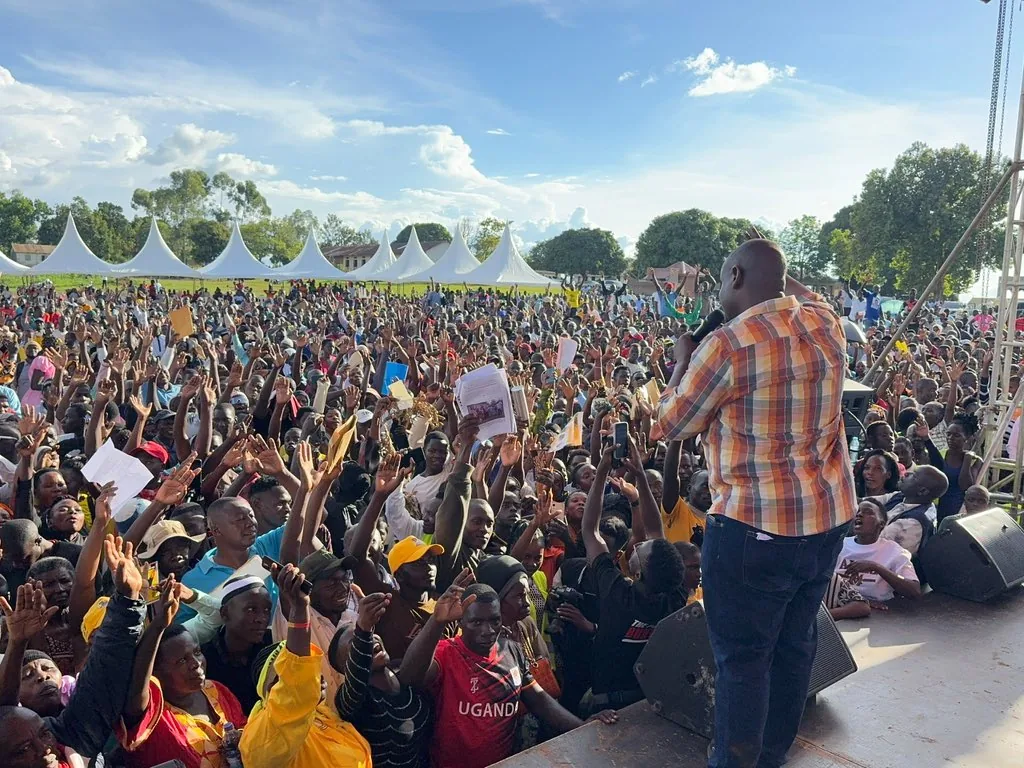
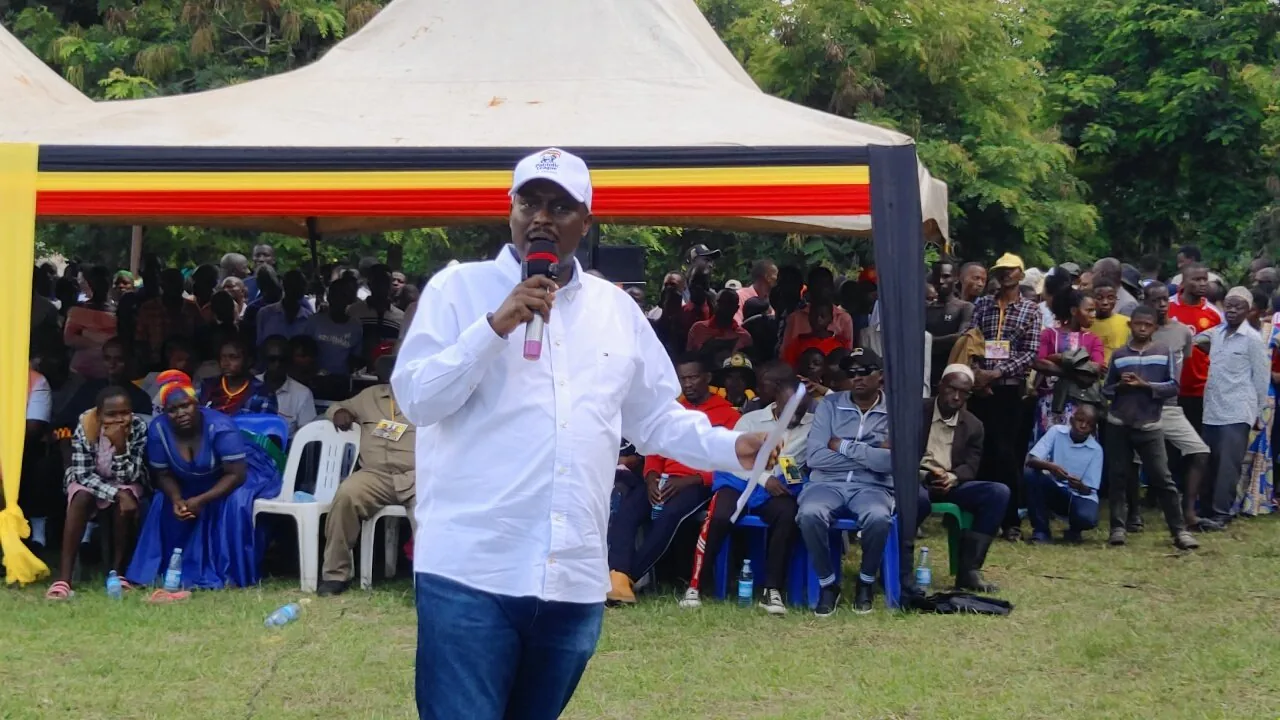
Soon afterwards, he led a Secretariat delegation to Kyegegwa for the baraza at Humura Playground, bringing together leaders, mobilisers and supporters from Kyegegwa, Tooro, Bunyoro, Greater Mubende and neighbouring areas.
His national assignment has also remained connected to his home region. On 28 August, Fadil joined Hon. Balaam Barugahara Ateenyi in Kween during an anti-corruption engagement following concerns raised by residents over public resources and government projects.
These engagements helped establish a pattern that has continued throughout his first 100 days: the Secretariat working from Naguru, but spending considerable time with the structures expected to carry PLU activity at community level.
A Secretariat increasingly built around systems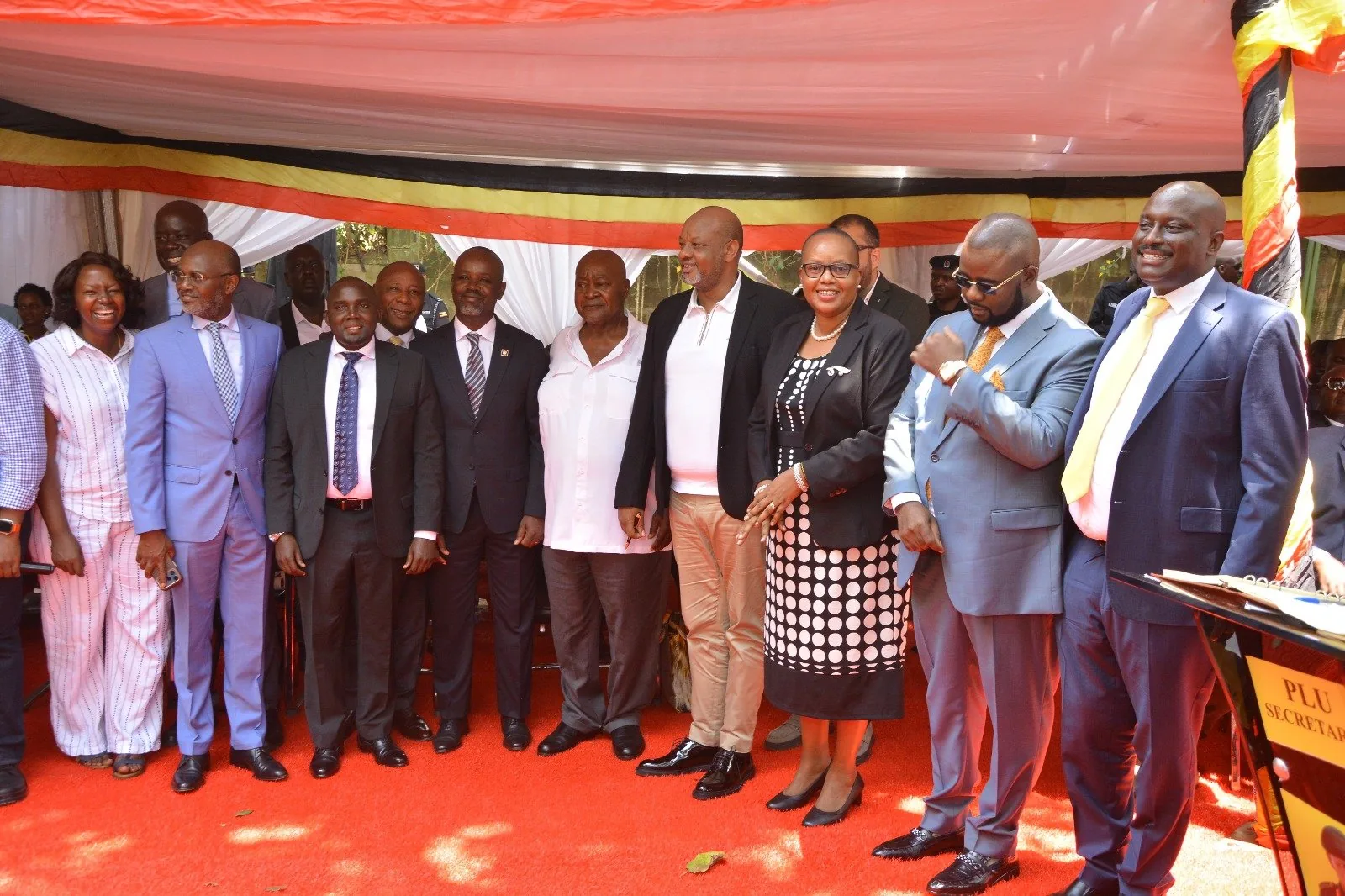
Some of the most important changes have been less visible than rallies and meetings.mDuring this period, PLU strengthened plu.org.ug from an information website into part of the organisation’s operating infrastructure.
The platform now supports online membership registration, with registered members receiving unique membership identification numbers. It also feeds into a membership dashboard that allows the organisation to follow growth and participation across different parts of the country.
The system is designed to strengthen the link between the national organisation and local communities by capturing members within their respective areas and making it easier for structures to understand where PLU participation is growing.
The same digital approach has been extended to the endorsement exercise. Rather than relying exclusively on physical endorsement books and organised gatherings, the online endorsement platform gives supporters an additional route to participate regardless of where they are located. Physical mobilisation and digital participation therefore operate alongside each other, widening access to the exercise.
This has become particularly important as PLU activity has expanded beyond individual districts into a genuinely national operation.
The endorsement exercise becomes a national undertaking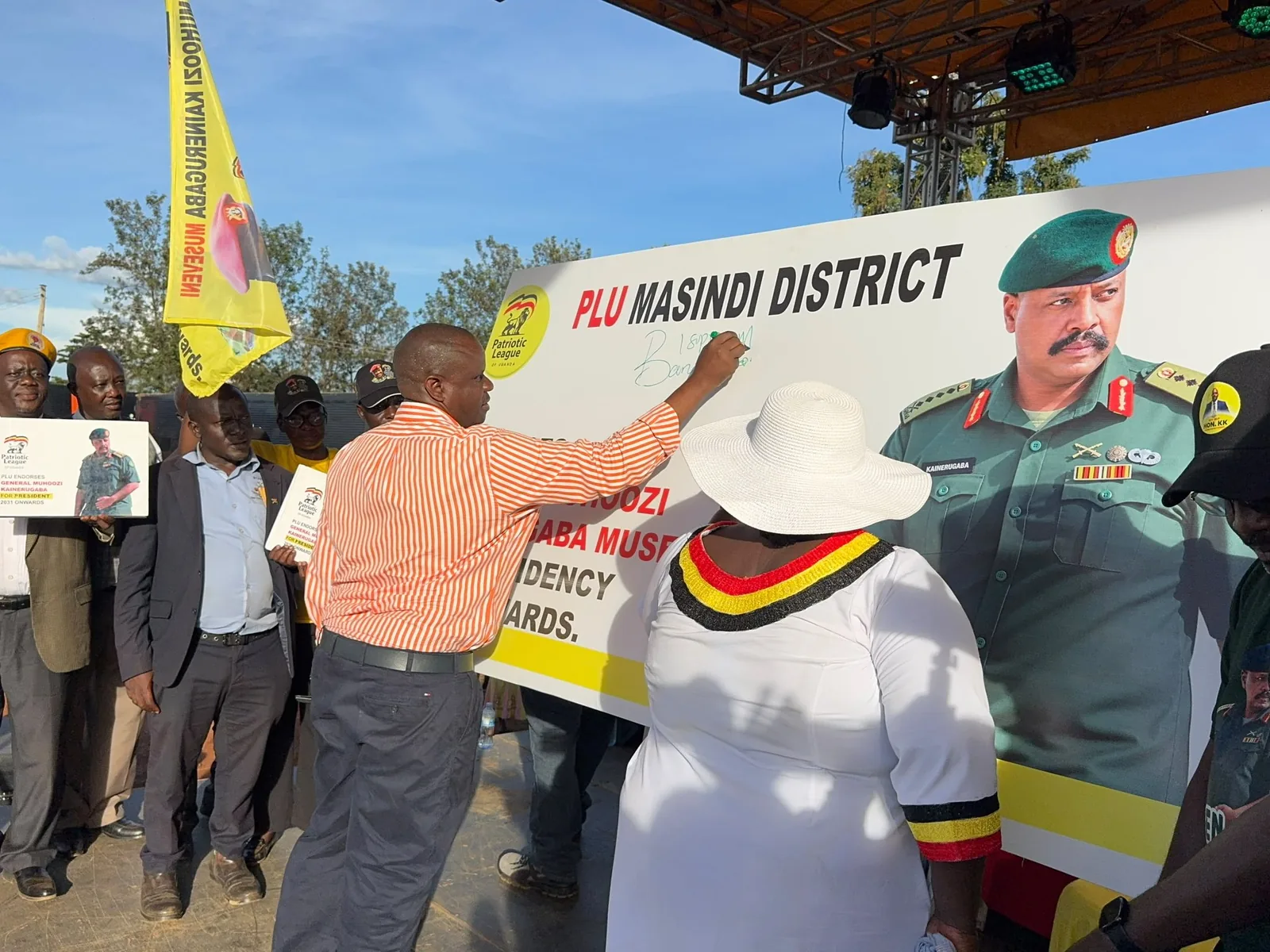
By September, endorsement mobilisation had become a major part of the Secretariat’s work.
Fadil handed endorsement books to leaders from organised labour, including representatives of the National Organisation of Trade Unions, Central Organisation of Free Trade Unions and the NRM Workers League, during engagements that also brought different organised groups into closer contact with PLU leadership.
He continued holding meetings at the Naguru Secretariat with leaders, mobilisers and organised groups while district teams around the country began collecting and distributing endorsement books within their communities.
On 26 September, Fadil returned to Sebei for the launch of the sub-region’s endorsement exercise at Kapchorwa Boma Grounds — bringing together his current national responsibility and the structures he previously coordinated locally.
By the end of September, PLU had endorsement activity represented across all 146 districts and cities covered by the organisation’s national structure, supported by both physical mobilisation and the online system.
More than a change of office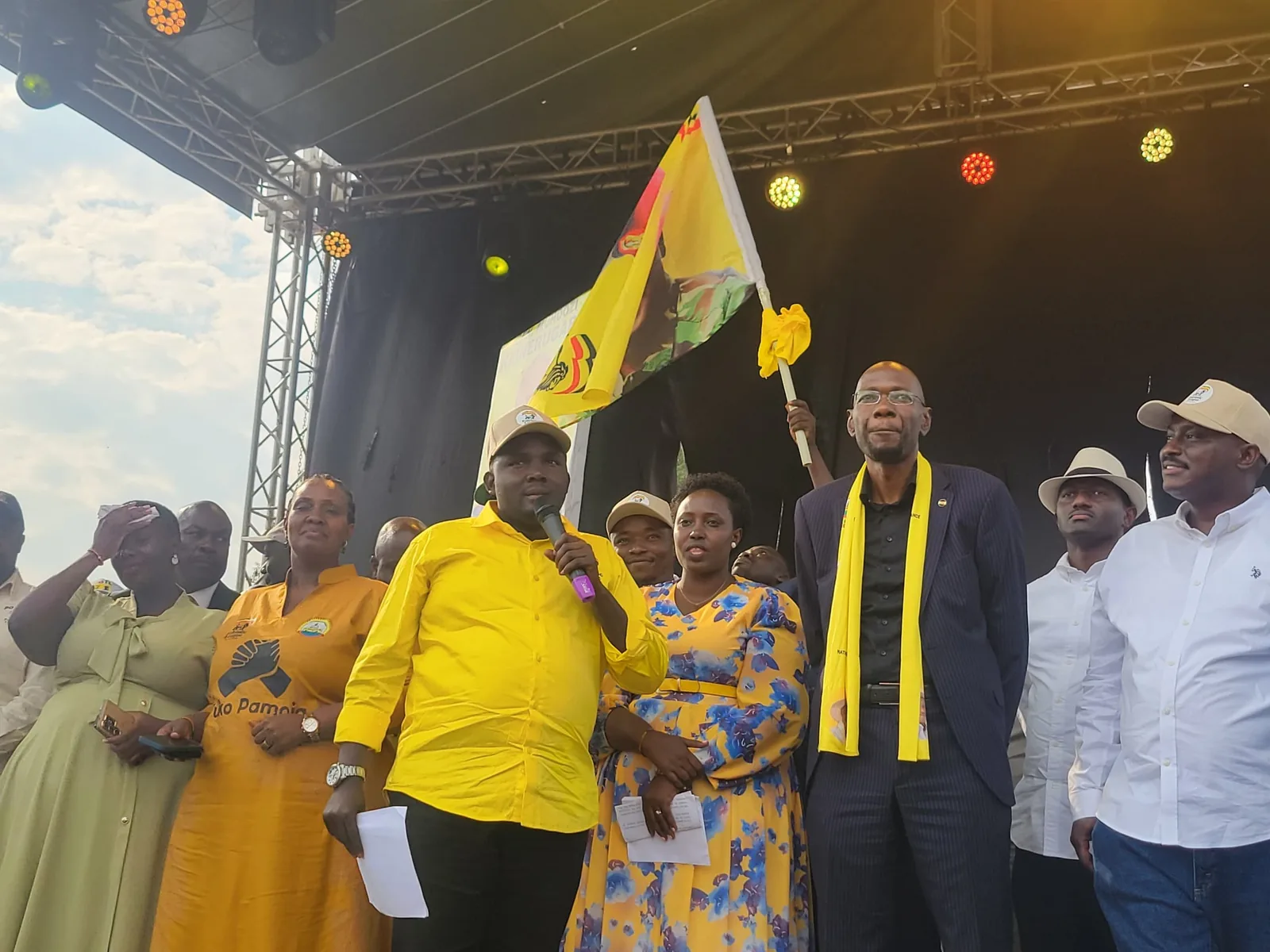
There have been other changes around the Secretariat during the same period: engagement with regional and sub-regional coordinators, university leaders, boda boda groups, workers and other organised constituencies; expansion of office capacity; and increased attention to the administrative tools needed by a national organisation.Taken together, they show what the first 100 days have largely been about.
Fadil inherited an organisation already growing quickly. His first months as General Secretary have centred on giving that growth more structure , clearer internal discipline, stronger district coordination, closer contact between Naguru and the grassroots, and digital systems capable of supporting membership and endorsement activity on a national scale.
The result is a PLU Secretariat that increasingly operates both on the ground and online: leaders moving through districts and communities, coordinators working through established structures, and plu.org.ug providing the digital layer through which membership, identification, local linkages and endorsements can continue to grow.
For Fadil, the first 100 days have therefore been less about marking time in office and more about building the machinery required for what comes next.